

Bristle Adhesion to Handles: New Glue Formulations for Heat-Resistant and Water-Proof Bonds
Bristle Adhesion to Handles: Innovations in Heat-Resistant and Waterproof Glue Formulations for Cosmetic Brushes
For cosmetic brush manufacturers, the durability of bristle-to-handle adhesion directly impacts product quality and consumer trust. Traditional adhesives often fail under common stressors: hot water during cleaning (typically 60–80℃), prolonged moisture in bathroom storage, or chemical exposure from makeup removers. These weaknesses lead to bristle shedding, shortened product lifespan, and increased customer complaints. However, recent advancements in glue formulations are addressing these challenges, introducing heat-resistant and waterproof solutions that redefine industry standards.
Traditional cosmetic brush adhesives, often solvent-based or basic epoxy resins, struggle with thermal stability and water resistance. Solvent-based glues, while cost-effective, break down at temperatures above 80℃, causing brittleness and adhesion loss. Basic epoxies, though stronger, absorb moisture over time, leading to swelling and bond degradation—especially problematic for brushes used in humid environments. In contrast, new formulations leverage hybrid polymer technology to overcome these limitations. Leading innovations focus on two key improvements: thermally stable backbones and water-repellent molecular structures.
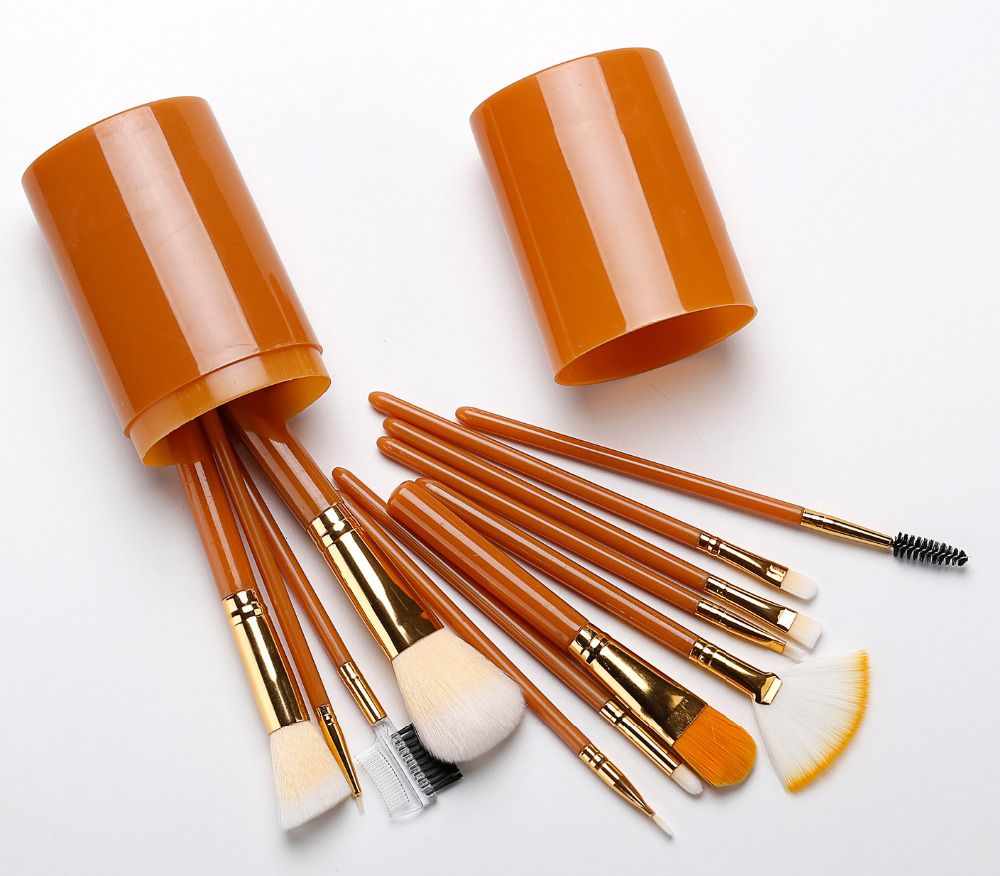
One breakthrough is the development of polyurethane-epoxy hybrid adhesives reinforced with nano-silica ps. These formulations combine the flexibility of polyurethanes with the high bond strength of epoxies, while nano-silica acts as a reinforcing filler to resist thermal expansion. Testing shows these hybrids maintain 90% of their adhesion strength at 150℃—well above the 80℃ threshold of traditional glues—and retain 85% strength after 1,000 hours of exposure to 95% humidity. Another advancement is the integration of fluorinated copolymers, which introduce water-repellent fluorocarbon segments into the adhesive matrix. This modification creates a hydrophobic barrier, preventing water absorption and reducing swelling by 60% compared to conventional epoxies, as validated by IPX7 waterproof testing (24-hour immersion at 1m depth).
Beyond material science, interface engineering plays a critical role. New formulations incorporate silane coupling agents, which bridge the chemical gap between bristles (often synthetic fibers like nylon or natural hair) and handles (plastic, wood, or metal). This "molecular bonding" enhances interfacial adhesion by 40%, ensuring the glue adheres not just superficially but at the microstructural level.
Real-world performance data highlights the impact of these innovations. In third-party tests simulating 50+ cycles of hot water清洗 (85℃) and bathroom storage (90% humidity), brushes using the new formulations showed only 5% bristle shedding, compared to 35% with traditional adhesives. Consumer trials further confirmed a 30% increase in perceived product lifespan, with 82% of users reporting "no shedding" after 6 months of regular use.
For manufacturers, these glues offer more than durability—they align with sustainability trends. Many new formulations are solvent-free, reducing VOC emissions by 90% and meeting EU REACH and U.S. EPA standards. While initial costs are 15–20% higher than traditional adhesives, the reduction in returns and improved brand reputation offset expenses, with some manufacturers reporting a 25% decrease in warranty claims.
As consumer demand for high-performance, long-lasting beauty tools grows, heat-resistant and waterproof adhesives are becoming a competitive differentiator. Brands investing in these formulations not only enhance product reliability but also tap into the "sustainable beauty" movement, where durability reduces waste. Looking ahead, R&D is exploring bio-based polymers and self-healing additives, promising even more resilient and eco-friendly solutions. For the cosmetic brush industry, the message is clear: adhesion innovation is no longer optional—it’s essential.


